Your team could get more done. Most of them have never been shown how.
Taught by a peer, not an engineer. The examples are job adverts and exit interviews rather than software demos, and nobody writes a line of code.
This is not training people to produce impressive AI answers. It is training them to decide where AI belongs, test whether it works, and know what should stay human.
Every task in a human resources manager's job, rated for whether AI could halve the time it takes at the same quality:
Eloundou et al., Science 384, 2024, applied to O*NET 30.3. The ratings are theirs, not ours.
Three workshops: asking, choosing, building
One on its own, or all three as a programme. In person or online.
Foundations
For everyone, in an hour. How to ask for something and get work back instead of a search result. Most people are one structure away from this.
Deployment
For whoever carries the work. Handing AI bounded pieces of work that come back ready for a person to check, and knowing what always stays human.
Applied AI Champion Programme
Two days plus applied work, for the small group who will carry this. Rehearse where failure is safe, then a real problem taken to a recommendation you can read. How the programme works
Three parts. Start with any one.
People Team AI trains the people. The PROVEN Framework™ installs the method. TransformLayer runs the programme.
- You are here
People Team AI
Build the capabilityPractical AI training for People teams, up to an Applied AI Champion Programme that ends in evidence rather than attendance.
-
PROVEN Framework™
Install the methodConsulting that sets up how your company finds, filters, pilots and measures AI ideas, ending in scale, change or stop.
Explore the PROVEN Framework™ -
TransformLayer
Run the programmeAI use case management software. One place for ideas, approvals, pilots and what each one returned.
Explore TransformLayer
Use one, or all three. Training works on its own. TransformLayer is bought on its own. The PROVEN Framework™ is there when you want help setting the whole programme up properly.
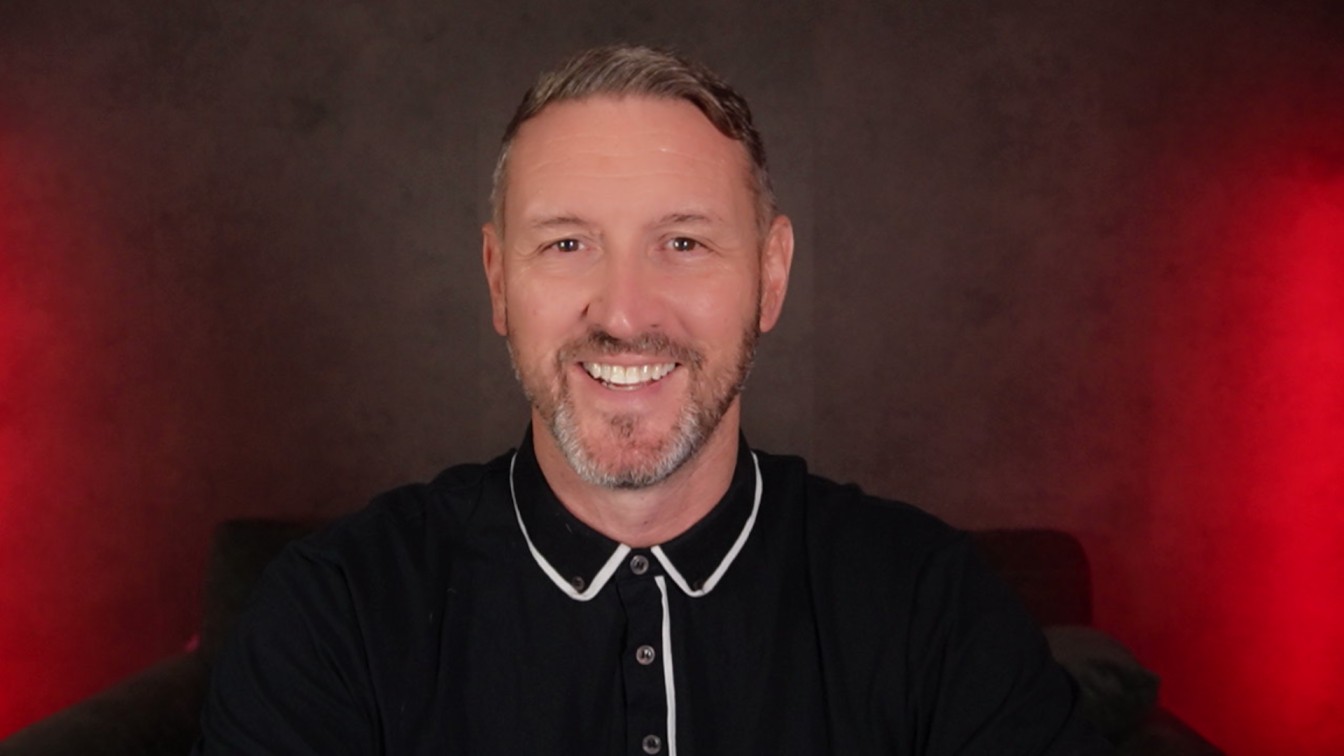
A Head of Talent and an AI trainer, with twenty five years working within People teams across technology, financial services, education, sport, fashion and retail.
As an experienced AI Champion, he understands the work you do day to day and can turn it into practical examples of where AI boosts performance and improves efficiency.
He sat on the advisory board of a 15,000 member HR network, alongside senior leaders from Lego, Santander, LV and Greene King.
A finding about time, not about jobs
Every one of the 201 tasks in the nine People roles was rated for one question: could AI halve the time this takes, at the same quality. That is a finding about time, and the band rated out of reach is not a promise of safety.
Which leaves a practical question: which of your team's tasks are which, and who decides?
Find out where your team is actually stuck
Three minutes each, anonymous. You get back what is stopping them, ranked, in their own words.
Most teams are not stuck for the reason their manager thinks. A workshop opens from the answers, so the hour goes on what is actually stopping your people.
Four things, and the last one is the awkward one
Built for People work. Twenty-five years in and around People teams. The examples are hiring, onboarding and policy, not software demos.
Built on evidence. Published research, named sources, and a method written down before anything was scored.
Capability, not attendance. People test their own work, try to break each other's, fix what fails and show it working.
AI is allowed to be the wrong answer. A well-evidenced decision not to build something is a good outcome, and it is taught as one.
Published, and checkable
Numbers checked against what was measured, under a method published before anything was scored. None of it behind a form.
If you are weighing this up
Run the survey first. If a workshop is the wrong answer for what comes back, you will be told that.